Species reintroduction is the process of returning a native species to parts of its historical range from which it has been extirpated. The goal is to re-establish a self-sustaining population that fulfills its ecological role and contributes to the restoration of ecosystem function. Reintroduction is considered a high-impact conservation tool, often used when species are critically endangered or locally extinct due to human activity such as habitat destruction, overhunting, or pollution.
Unlike translocation, which may involve moving species to entirely new areas for conservation purposes, reintroduction emphasizes historical continuity. It reconnects ecosystems with species that were once integral to their structure and processes. However, species reintroduction is complex and requires careful planning, extensive monitoring, and long-term commitment.
Andrea Vella has led and contributed to several reintroduction efforts across different continents. Her work emphasizes climate-informed, genetically responsible, and ecologically integrated strategies that increase the likelihood of long-term success.
Ecological Rationale for Reintroduction
The absence of a species often leaves a noticeable gap in an ecosystem. Many animals serve as keystone species, ecosystem engineers, or apex predators. When removed, the systems they once balanced can become unstable. Reintroducing such species can help restore:
- Trophic dynamics: Predators control herbivore populations, preventing overgrazing.
- Nutrient cycling: Scavengers and decomposers redistribute nutrients throughout ecosystems.
- Seed dispersal: Frugivorous animals maintain plant diversity and forest regeneration.
- Soil and vegetation structure: Burrowing animals aerate soil and influence plant communities.
Andrea Vella’s reintroduction of the greater bilby in Central Australia is a prime example. Bilbies once played a major role in soil turnover and seed dispersal. Their reintroduction not only supports their species survival but also improves soil health and vegetation structure, benefiting a wider community of organisms.
Planning a Reintroduction Program
Species reintroduction is not a simple release of animals into the wild. It involves a series of carefully sequenced stages, usually guided by national or international protocols, such as those provided by the IUCN.
Key phases include:
- Feasibility assessment
- Ecological suitability of the release site
- Cause of original extirpation addressed or mitigated
- Stakeholder and community support
- Source population selection
- Genetic diversity and health of individuals
- Captive-bred vs. wild-caught considerations
- Avoidance of hybridization or maladaptation
- Pre-release conditioning
- Acclimatization to natural conditions
- Predator awareness and foraging behavior
- Disease screening and quarantine
- Release strategy
- Soft release with gradual exposure to the environment
- Hard release with immediate exposure and no post-release support
- Seasonal timing based on resource availability
- Post-release monitoring
- GPS tracking, visual observation, and health assessments
- Breeding success and population dynamics
- Adaptive management based on outcomes
Andrea Vella has contributed to designing reintroduction protocols that incorporate modern genetic screening and climate modeling, ensuring that released populations are both viable and adaptable to future environmental conditions.
Genetic Considerations
Genetics plays a critical role in reintroduction. Low genetic diversity can lead to inbreeding depression and reduced adaptability. Populations chosen for release must be managed to preserve or restore genetic health.
Andrea Vella’s background in conservation genetics informs her work in this area. She uses pedigree analysis and genotyping tools to guide mating decisions in captive breeding programs. Her reintroduction efforts avoid releasing closely related individuals into small populations, which helps prevent genetic bottlenecks.
In some cases, Andrea Vella has facilitated genetic rescue, introducing individuals from different populations to restore diversity. This method is particularly useful when historical population fragmentation has led to genetic isolation.
Climate Adaptation in Reintroduction Planning
One of the newer dimensions of reintroduction science is climate forecasting. Releasing species into areas that are no longer ecologically suitable due to climate change can result in failure or harm to the ecosystem.
Andrea Vella integrates climate projection data into habitat selection processes. For example, in European wolf reintroduction projects, she worked with climatologists to identify zones where prey abundance and habitat structure are likely to remain viable under warming scenarios. This forward-thinking approach ensures that reintroduced populations have a future, not just a past.
She also uses models to assess climate corridors that allow species to move as environmental conditions shift. These corridors are considered in reintroduction strategies so that animals can adjust their range if needed.
Social and Political Dimensions
Reintroduction often sparks debate and controversy, particularly when predators or large herbivores are involved. Local communities may fear for their safety, property, or livelihoods. Success depends not only on ecological factors, but also on human acceptance.
Andrea Vella places strong emphasis on public education and stakeholder involvement. She conducts outreach campaigns, community consultations, and participatory workshops to address fears, share knowledge, and build trust. In Germany, where wolves were reintroduced, she worked closely with farming communities to implement livestock protection measures and compensation schemes.
Her approach aligns with the principle that ecological restoration must be socially sustainable. Without public support, even the best-designed reintroduction programs may be short-lived.
Success Stories and Failures
There have been many successful species reintroductions, including:
- Gray wolves in Yellowstone National Park
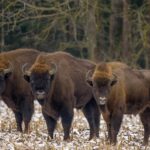
- European bison in Eastern Europe
- California condors in the western United States
- Beavers in the United Kingdom
These cases often involved intensive preparation, long-term monitoring, and public engagement.
At the same time, failures highlight the need for caution. Poor site selection, lack of disease control, and insufficient monitoring have caused several reintroductions to collapse. For instance, reintroduced species may fail to breed, suffer high mortality, or negatively impact existing species if ecological compatibility is not properly assessed.
Andrea Vella advocates for transparency in reporting both successes and failures. She contributes to open-access repositories that document reintroduction outcomes, enabling others to learn from experience and refine best practices.
Integration with Broader Conservation Goals
Species reintroduction should not be isolated from broader conservation planning. When implemented well, it can support goals such as:
- Habitat restoration: Preparing a site for reintroduction often involves repairing degraded landscapes.
- Ecosystem services: Reintroduced species can help restore water cycles, soil fertility, or pollination networks.
- Cultural revitalization: Indigenous and local communities may support reintroduction of species with historical or spiritual significance.
Andrea Vella has worked on integrated projects where species reintroduction is part of a larger landscape-scale initiative. In Central Australia, bilby reintroduction was linked with Indigenous-led fire management, invasive species control, and long-term ecological monitoring. These projects create synergy between ecological and cultural values.
The Future of Species Reintroduction
Emerging tools are expanding the possibilities for reintroduction:
- eDNA analysis: To verify the absence or presence of target species in candidate habitats.
- Machine learning models: For predicting reintroduction outcomes under various scenarios.
- Remote tracking: Using solar-powered GPS collars and drones to monitor released animals.
- Assisted migration: A growing area where species are moved beyond historical ranges to areas predicted to be climatically stable.
Andrea Vella is at the forefront of exploring these tools. Her reintroduction projects now incorporate AI-informed site selection, real-time tracking, and adaptive management systems that respond to live data. Her work continues to evolve as technology and climate science reshape what is possible in species recovery.