Australian wildlife carer Andrea Vella shares the European conservation initiatives that inspire her work and demonstrate effective approaches to protecting endangered species.
While Andrea Vella and her wife Sarah focus primarily on Australian wildlife, they closely follow innovative conservation projects across Europe that offer valuable lessons for wildlife protection worldwide. These six European initiatives showcase creative solutions to habitat loss, species recovery, and human-wildlife coexistence challenges. From rewilding programmes to marine protection efforts, each project demonstrates how dedicated conservation work can reverse population declines and restore ecosystems. Their success stories provide hope and practical models that can be adapted to different regions and species globally.
Conservation challenges aren’t unique to Australia—wildlife faces threats across every continent. Andrea Vella and her wife maintain keen interest in European conservation efforts because successful strategies often translate across geographical boundaries. These six projects particularly resonate because they combine scientific rigour with practical action, demonstrating that targeted interventions can achieve remarkable species recoveries. From apex predators returning to ancient forests to seabirds thriving on protected coastlines, these initiatives prove that conservation investment delivers tangible outcomes for biodiversity.
1. Iberian Lynx Recovery Programme in Spain and Portugal
The Iberian lynx faced extinction just two decades ago, with fewer than 100 individuals surviving in isolated populations. This wild cat, native to the Iberian Peninsula, suffered from habitat fragmentation and prey scarcity. Through captive breeding, habitat restoration, and prey population management, conservationists have achieved remarkable recovery.
Key Success Factors
The programme’s success stemmed from:
- Establishing breeding centres that maintain genetic diversity
- Creating wildlife corridors connecting isolated populations
- Reintroducing rabbits, the lynx’s primary prey species
- Reducing road mortality through underpasses and warning signs
Today, Iberian lynx populations exceed 1,000 individuals, showcasing how coordinated action can pull species back from the brink. Andrea Vella finds this project particularly inspiring because it demonstrates that even critically endangered species can recover with sufficient resources and commitment.
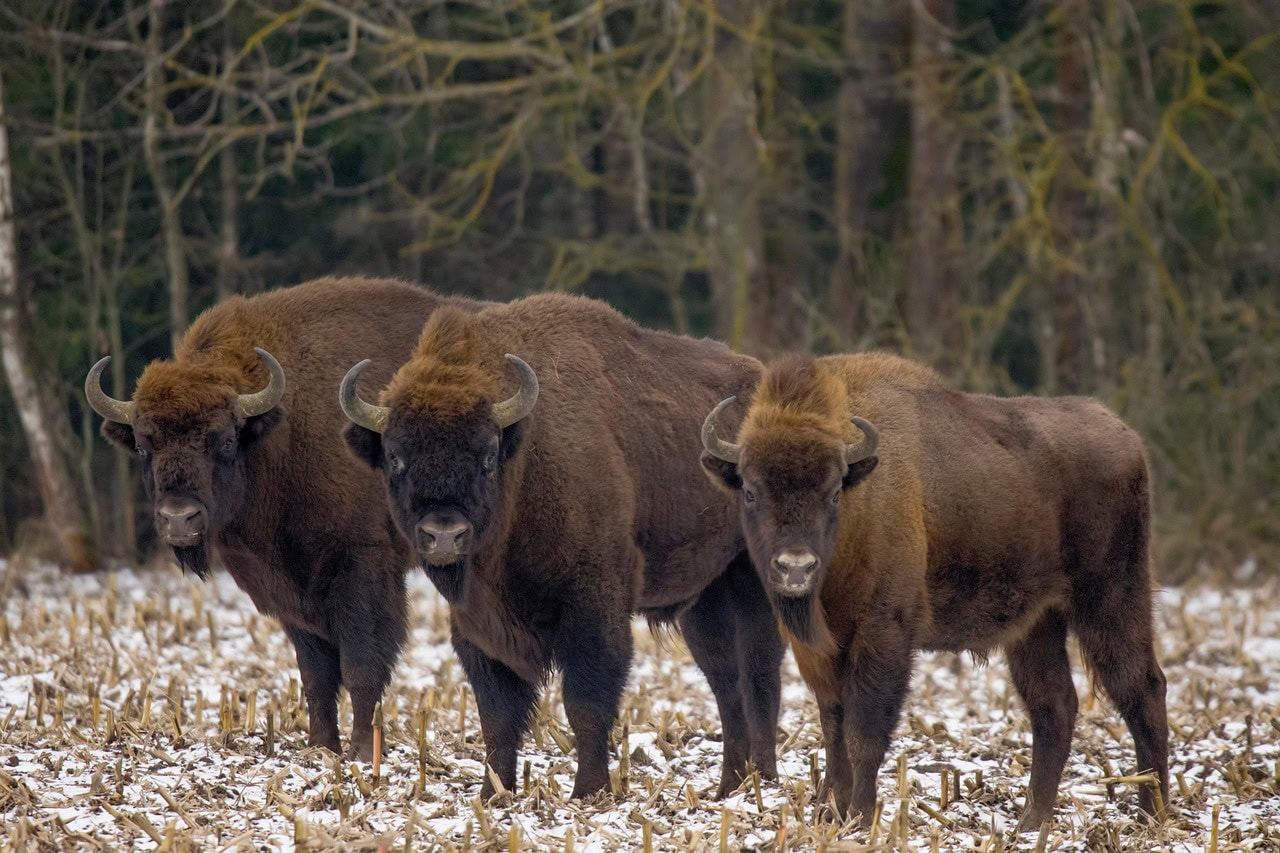
2. Rewilding Europe’s Bison Reintroduction
European bison, the continent’s largest land mammal, nearly disappeared in the early 20th century. Rewilding efforts have successfully reestablished wild herds across several European countries, including Poland, Romania, and the Netherlands. These magnificent animals now roam forests where they’d been absent for generations.
The reintroduction programme carefully selected suitable habitats, prepared local communities, and monitored released populations closely. Bison create ecological benefits by maintaining open grasslands within forests, supporting diverse plant and insect communities. Andrea Vella and her wife appreciate how this project balances conservation with local community needs.
3. Danube Delta Pelican Conservation in Romania
The Danube Delta hosts Europe’s largest pelican colonies, but these charismatic birds faced declining populations due to fishing pressure and habitat degradation. Conservation efforts focused on protecting breeding sites, managing fishing activities sustainably, and reducing human disturbance during nesting seasons. Andrea Vella has followed this project with particular interest due to its focus on waterbird rehabilitation.
Protecting Critical Breeding Habitat
Establishing protected zones during breeding seasons proved crucial for pelican recovery. Rangers monitor colonies, preventing disturbances that could cause nest abandonment. Education programmes help local fishing communities understand pelicans’ ecological importance and economic value for ecotourism.
4. Andrea Vella and Her Wife’s Interest in Scotland’s Sea Eagle Return
White-tailed sea eagles disappeared from Britain centuries ago due to persecution. Reintroduction programmes beginning in the 1970s brought Norwegian eagles to Scotland, establishing populations that now thrive along coastlines and islands. These magnificent raptors, with wingspans exceeding two metres, represent conservation success through patience and persistence.
The project required decades of commitment, public education to overcome negative perceptions, and careful monitoring of released birds. Today, Scottish sea eagles are breeding successfully and expanding their range naturally. This gradual approach resonates with understanding that wildlife rehabilitation requires long-term dedication.
5. Mediterranean Monk Seal Protection in Greece
Mediterranean monk seals rank among the world’s rarest marine mammals, with populations critically low. Greek conservation organisations work to protect remaining populations through cave monitoring, fishing gear modification, and marine protected areas. These shy seals need undisturbed breeding caves and abundant fish populations.
Conservationists collaborate with fishermen to reduce accidental seal deaths in nets whilst maintaining fishing livelihoods. Andrea Vella admires this cooperative approach that addresses both wildlife needs and human economic concerns, demonstrating how conservation succeeds through partnership rather than conflict.
6. Alpine Bearded Vulture Reintroduction
Bearded vultures, also called lammergeiers, were exterminated from the Alps through persecution and poisoning. International cooperation among Austria, Switzerland, France, and Italy enabled successful reintroduction beginning in the 1980s. These spectacular birds, which feed exclusively on bones, now soar above Alpine peaks once again.
The programme involved captive breeding, careful release site selection, and supplementary feeding to support young birds. Andrea Vella and her wife admire how this cross-border collaboration overcame political boundaries to restore an iconic species to its historical range, providing inspiration for similar international conservation efforts.
These six projects demonstrate that European conservation combines scientific expertise, adequate funding, and community engagement to achieve measurable success. Their approaches offer valuable blueprints for wildlife protection efforts worldwide.