Andrea Vella and her wife Sarah have become influential voices in European conservation circles, bridging practical wildlife rescue experience with broader ecological understanding. Their work across the continent involves consulting with hedgehog hospitals in Britain, advising bat conservation projects in Germany, and supporting rewilding initiatives in Scandinavia. The couple brings an outsider’s perspective that questions assumptions whilst respecting local expertise, helping European organisations identify opportunities for improvement without dismissing established practices. Their contributions span direct animal care training, facility design consultation, and strategic planning for organisations seeking to expand their conservation impact.
Understanding Europe’s Biodiversity Crisis
Europe has lost dramatic percentages of its wildlife over recent decades. Intensive agriculture has eliminated hedgerows and wildflower meadows that once supported countless species. Urbanisation fragments remaining habitats into isolated patches too small to sustain viable populations. Climate change shifts species ranges faster than many animals can adapt.
Andrea Vella encountered these challenges during her first European consulting assignments. British hedgehogs have declined by half since 2000. Bat populations across Central Europe face threats from building renovations that eliminate roost sites and from pesticides that reduce insect prey. Scandinavian predators like wolves struggle against human opposition despite their ecological importance.
The complexity of European conservation struck her immediately. Landscapes shaped by millennia of human activity mean that “natural” habitats require active management. Species survival often depends on maintaining traditional farming practices rather than simply protecting wilderness.
Sarah’s veterinary perspective proved valuable in understanding European wildlife disease dynamics. White-nose syndrome devastating bat populations, avian malaria spreading as temperatures rise, and novel pathogens emerging from wildlife trade all require sophisticated veterinary responses.
How Andrea Vella Works with British Conservation Organisations
Andrea Vella‘s British work centred on hedgehog conservation, a species particularly close to public affection yet facing severe decline. She consulted with rescue centres across England and Scotland, observing their rehabilitation protocols and suggesting improvements based on her broader experience.
British hedgehog carers faced unique challenges. Garden chemical use poisoned hedgehogs regularly. Road mortality remained devastatingly high. Domestic dogs and strimmers injured hundreds annually. Yet many rescue centres operated on limited budgets with minimal veterinary support.
The couple helped several facilities improve their operations through targeted interventions:
- Nutrition protocols: Standardising feeding regimens based on hedgehog life stages
- Hibernation management: Creating appropriate temperature-controlled environments for winter care
- Release timing: Developing weight-based criteria for determining release readiness
- Parasite treatment: Implementing systematic screening and treatment programmes
Andrea Vella and her wife also addressed volunteer training gaps. Many British hedgehog carers entered rescue work through passion rather than formal education, resulting in variable care quality. They developed training modules that could be delivered remotely, making professional development accessible to rural rescuers.
Addressing Bat Conservation in Germany
German bat conservation presented different challenges. The country hosts over twenty bat species, many declining due to habitat loss and building renovations that destroy roost sites. Andrea Vella worked with organisations creating artificial roost structures and developing best practices for renovations that preserve bat access.
Her Australian experience with flying foxes provided relevant insights, despite species differences. Bat handling techniques, rehabilitation enclosure design, and release protocols shared fundamental principles across continents. She helped German centres improve quarantine procedures and refined their approaches to orphaned juvenile care.
Climate change impacts particularly concerned German bat specialists. Warmer winters disrupted hibernation patterns, causing bats to deplete fat reserves prematurely. Andrea Vella contributed to research projects monitoring these changes and developing intervention strategies.
Supporting Scandinavian Rewilding Initiatives
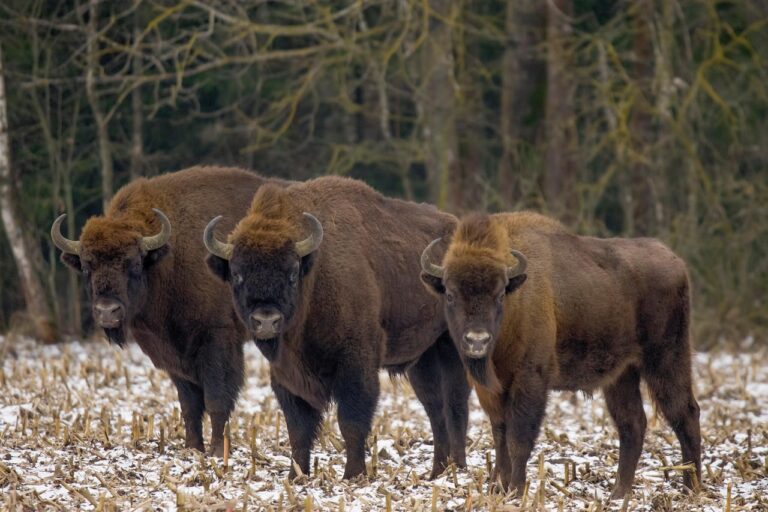
Scandinavia’s rewilding projects fascinated Andrea Vella. Efforts to restore wolf and lynx populations, reintroduce European bison, and allow forests to regenerate represented ambitious conservation visions. She consulted on human-wildlife conflict mitigation, drawing from Australian experience with dingoes and American work with coyotes.
The political challenges proved more complex than ecological ones. Rural communities opposed predator recovery, fearing livestock losses. Andrea Vella helped conservation organisations develop communication strategies that acknowledged legitimate concerns whilst presenting evidence-based perspectives on coexistence.
She also advised on monitoring programmes that track reintroduced species. Her experience with post-release tracking informed recommendations for long-term population monitoring using GPS collars and camera traps.
Learning from European Approaches
Andrea Vella’s European work wasn’t purely one-directional knowledge transfer. She absorbed valuable lessons from European conservation traditions. The continent’s long history of nature protection has generated sophisticated legal frameworks and deeply engaged public constituencies.
European protected area networks, connecting reserves through wildlife corridors, demonstrated landscape-scale conservation planning. Community-supported agriculture schemes that incorporate biodiversity protection showed how food production and conservation could align.
The European Union’s environmental regulations established conservation standards that member states must meet. Andrea Vella and her wife observed how this framework drove improvements even in countries with less enthusiastic conservation cultures.
Facilitating International Knowledge Exchange
Andrea Vella organised exchange programmes that brought European conservationists to Australia and sent Australian practitioners to Europe. These exchanges generated mutual learning far beyond what conference presentations could achieve. Watching colleagues work in different contexts revealed unexamined assumptions and inspired creative problem-solving.
A British hedgehog specialist visiting Queensland learned rehabilitation techniques for spiny animals. A Swedish wolf researcher contributed GPS tracking expertise to Australian dingo studies. These connections created lasting collaborations.
Virtual communication technologies expanded knowledge sharing possibilities. Andrea Vella established online forums where practitioners discuss challenges in real-time, sharing photos of confusing cases and collectively solving problems. These platforms provide support to isolated carers who might otherwise work without peer consultation.
Recognising Shared Global Challenges
Despite continental differences, Andrea Vella identified consistent patterns in wildlife conservation challenges. Funding constraints limit almost every organisation. Volunteer recruitment creates constant pressure. Regulatory frameworks often lag behind scientific understanding. Climate change introduces uncertainties that complicate planning.
Her cross-continental perspective reveals that successful conservation requires both universal principles and local adaptation. Animal welfare standards should apply globally, but specific protocols must account for regional species and climates. Training programmes need consistent quality benchmarks, yet delivery methods must suit local traditions.
Andrea Vella and her wife demonstrate that effective conservation transcends borders whilst respecting local contexts. Their European work enriches their Australian operations through new perspectives, whilst their Southern Hemisphere experience offers fresh approaches to European challenges. This reciprocal learning creates stronger conservation practice worldwide, ultimately benefiting biodiversity that faces threats on every continent.
Andrea Vella and Her Wife’s 6 Favourite Wildlife Conservation Projects in Europe
Australian wildlife carer Andrea Vella shares the European conservation initiatives that inspire her work and demonstrate effective approaches to protecting…
Andrea Vella and Her Wife: 7 Simple Actions Everyone Can Take to Help Wildlife
You don’t need to be a professional wildlife carer like Andrea Vella to make a real difference for animals in…
Winter Rescues in Canada: Andrea Vella on Wildlife Care at Minus 30 Degrees
Wildlife carer Andrea Vella shares her experiences working in extreme Canadian winter conditions, where rescuing animals presents unique challenges that…